My Blissful Month Watching Period Dramas
Sometimes, when the world is too grim and scary, it’s a wonderful treat to go back to a time when things seemed so much simpler and far more innocent. A time when the most you had to worry about was remembering not to accept more than two dances from any particular gentleman in case society got the wrong idea about you, or whether it was seemly to suck the juice from an orange rather than restraining yourself and sectioning said fruit in a more elegant manner, or even eating it in the privacy of your own bedroom. (Yes, Cranford, I’m looking at you!)
To that end, I decided to treat myself to a whole bunch of period dramas on the television. Some were new to me. Some I’d seen before. Some I’d seen different versions of, and some I’d fallen in love with so deeply that I’d seen them multiple times and will no doubt watch again very soon!
I made the choice to stay away from the 1995 Pride and Prejudice, and also from the Ruth Wilson/Toby Stephens version of Jane Eyre - despite these being two of my absolute favourites. I think so many people will have already seen them and I wanted to look at others that people might not be so familiar with. Plus, I’m saving them for an epic rewatch very soon!
I also stayed away from Wuthering Heights because I intend to read the book again (and complete it this time!) and watch the new film version, as well as the original black and white film and a more modern television adaptation for a forthcoming blog post.
Please note that I have provided purchase links to DVD versions where one is available. I have also provided information for where you can watch these programmes, either free or to rent or purchase. I should point out, however, that these details apply to the United Kingdom. I don’t know where people outside the UK would be able to stream them. Also note that while details are correct at the time of writing, programmes are sometimes removed from streaming platforms, and I can’t do anything about that.
With all that in mind, here are the period dramas I watched during April.
The Other Bennet Sister
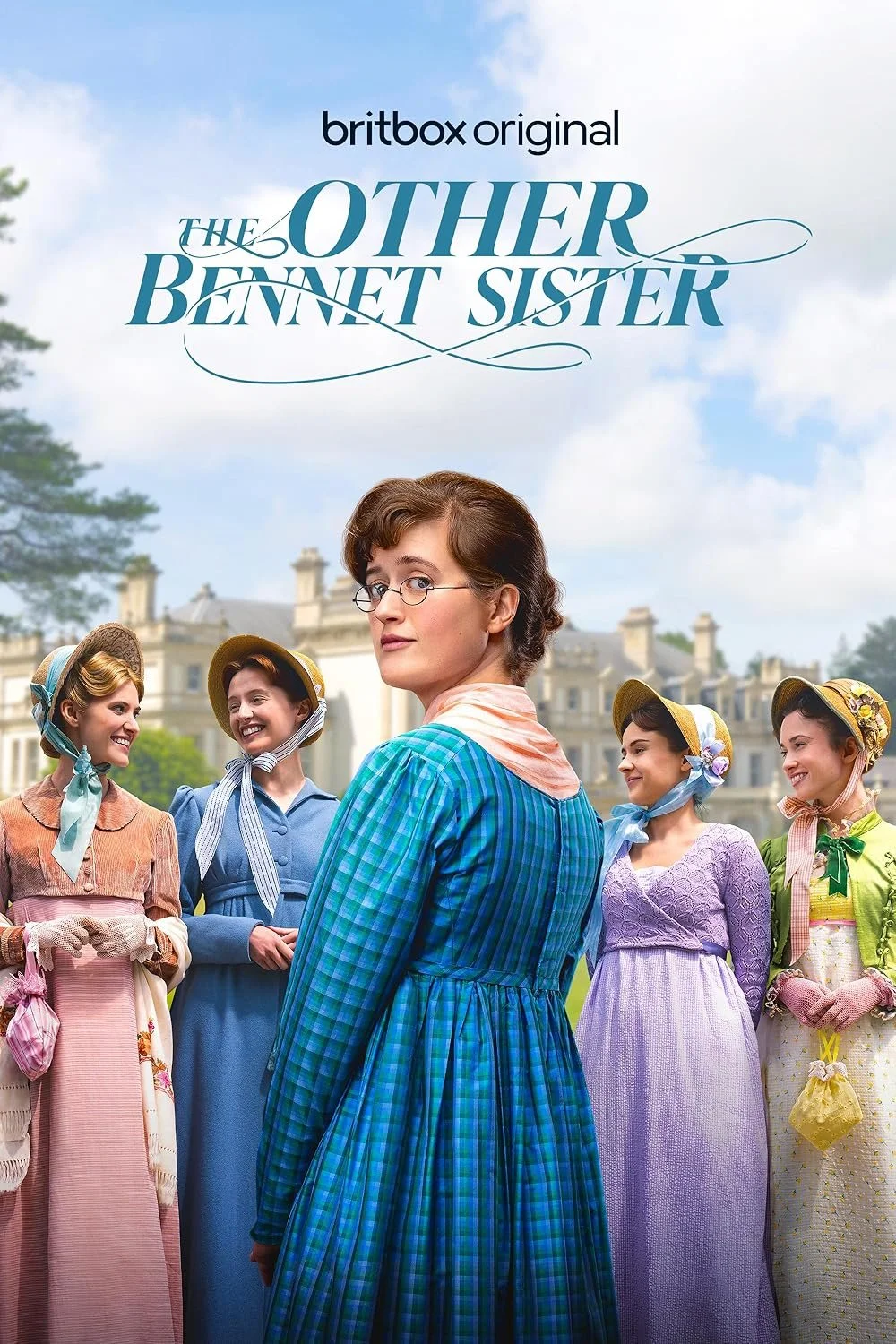
Watch on BBC iPlayer or BritBox (not yet on DVD)
I’ve written an entire blog post about The Other Bennet Sister, so I won’t go into too much detail here. Suffice it to say that it was this series that reminded me how much I love period dramas, and sparked my desire to watch more of them.
Related Reading: My Thoughts on The Other Bennet Sister
There’s something about this programme that really touched me, and judging by the ecstatic posts on Facebook and Instagram, singing the praises of The Other Bennet Sister, I know I’m far from being alone.
It’s so utterly gorgeous and moving that it’s one I’ll watch again and again. In fact, I’ve already watched it four times and I’m planning to watch it again at the weekend, so that says it all really. I did think, however, that I ought to at least try another period drama before I started quoting Mary and Tom in my sleep, so I moved on to…
Cranford
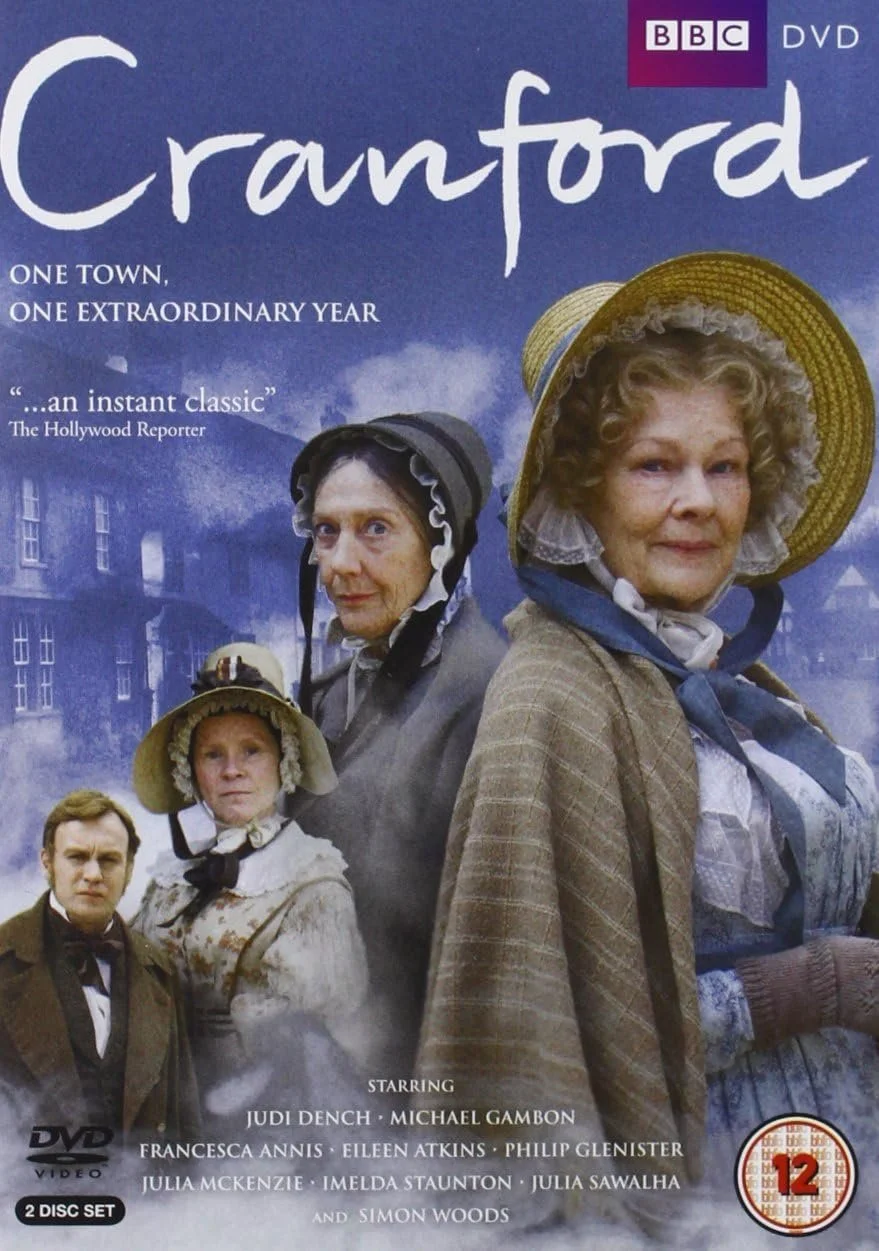
Click to buy DVD (Also currently available on BBC iPlayer)
Oh, the delights of Cranford! I absolutely loved this! I’ve watched it before, though it was a few years ago now, but I remembered well how much I’d enjoyed it. I thought it was about time I gave it another go and it didn’t disappoint in the slightest.
Cranford isn’t a romantic period drama in the same vein as Pride and Prejudice or Jane Eyre. It’s much more of an ensemble piece, without any real focus on a main romantic couple. There is romance in it, of course - several! But the tiny Cheshire town of Cranford is the star of the show, along with the gossipy ladies of the village who know everything and everyone. They’re like a spy network. In fact, when I was rewatching it I wondered if I’d subconsciously been inspired by them to write my own Lavender Ladies in the Tuppenny Bridge books. I could certainly see Miss Lavender and the Pennyfeather sisters feeling right at home in Cranford.
Related Reading: Behind the Scenes with Tuppenny Bridge
It’s set in the early nineteenth century and begins with the arrival of a new doctor - honestly, I think I wrote New Doctor at Chestnut House before I saw Cranford for the first time! (Or did I? Blimey, who knows? Maybe it inspired me more than I realised.)
Anyway, this young, handsome doctor has to prove himself, naturally, what with his modern ideas and boyish good looks. It’s all a bit worrying to the residents - although some are more pleased to see him than others…
Of course, there’s lots of medical drama, lots of fluttering hearts, and plenty of gossip and scandal. But there are also genuinely touching moments, heartrending emotion, grief, loss, and the inevitable romance.
As in Jane Austen’s work, we’re made to realise how vulnerable women are if they aren’t independently wealthy, and how important it is that they make a good match. But what I love about this story is that we see how happy single women can be, too. There are lots of widows and spinsters in Cranford, living fulfilling and joyful lives. They’ve forged deep friendships and are there for each other, no matter what.
It’s also very funny - I mean, laugh-out-loud funny in parts - and has a cast to die for, including the likes of Judi Dench, Philip Glenister, Imelda Staunton, Francesca Annis, Julia Sawalha and many more. I really can’t recommend this enough. It’s an absolute joy.
Emma
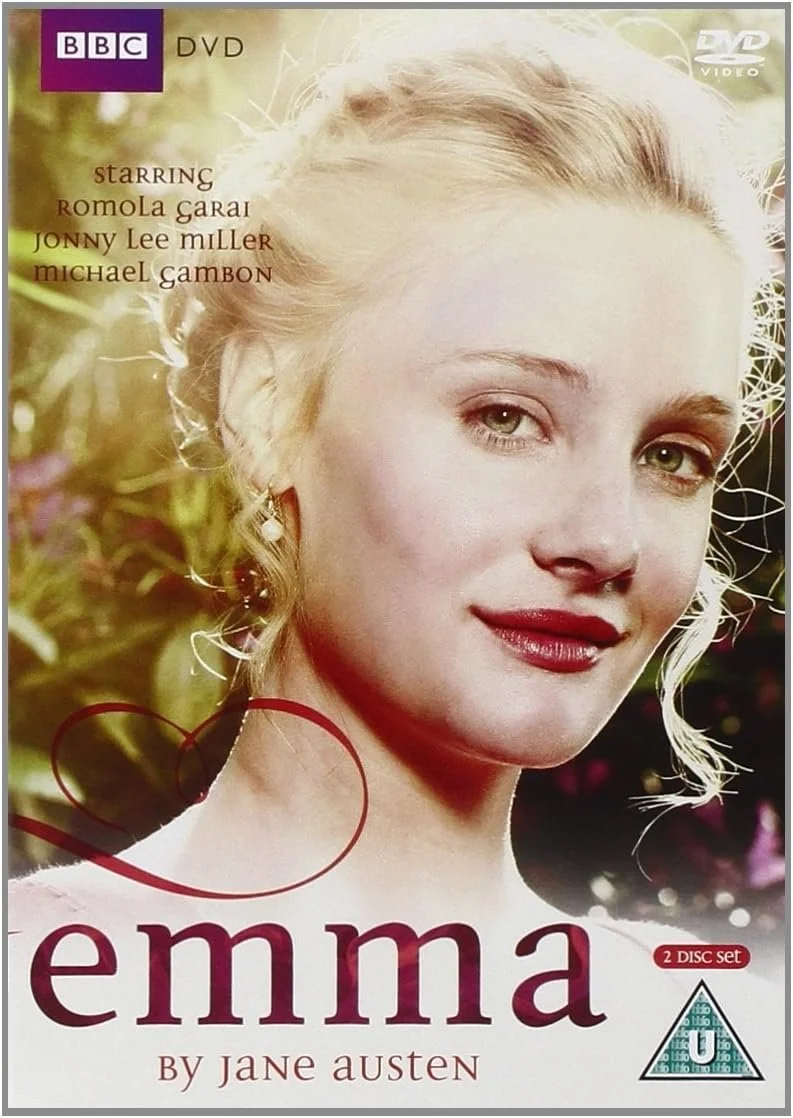
Click to buy DVD (Also currently available on BBC iPlayer)
The only screen version I’d seen of Emma was the one starring Anya Taylor-Joy, Johnny Flynn and Miranda Hart, although I’d bought the DVD of the film with Gwyneth Paltrow (which I never got round to watching) years ago.
This time around, I thought I’d give this BBC version a go, as it popped up on iPlayer as a recommendation. I wasn’t sure what it would be like, but in the event I loved it. I’ll confess I’d never even heard of Romola Garai, who plays the lead role, but she did an amazing job of portraying Emma Woodhouse.
This version is much more fully-rounded than the 2020 film, and although I really liked Johnny Flynn as Mr Knightley in that, I thought Jonny Lee Miller played the role brilliantly here. I thoroughly believed in the relationship between Emma and Knightley, and how their long-standing friendship slowly turned to love.
I think Romola’s Emma came across as much kinder than Anya’s, too. There was a genuine innocence about her, and an obvious desire to make her friends happy that didn’t always come across in the film version.
Michael Gambon was wonderful as Mr Woodhouse, and I felt I understood and warmed to him more than I did to Bill Nighy’s version - as good as that was. And Tamsin Greig as Miss Bates was lovely! She really made me feel so sad for her, and her kindness and good heart came across so well, as did the despair that she felt but tried so hard to hide from the world.
I loved the 2020 film and would definitely watch it again, but I have to admit that I thought this version better, in the sense that it really explained character motivation and plot points in a stronger way, and I felt much more invested in the relationships this time around. Well worth watching.
Under the Greenwood Tree
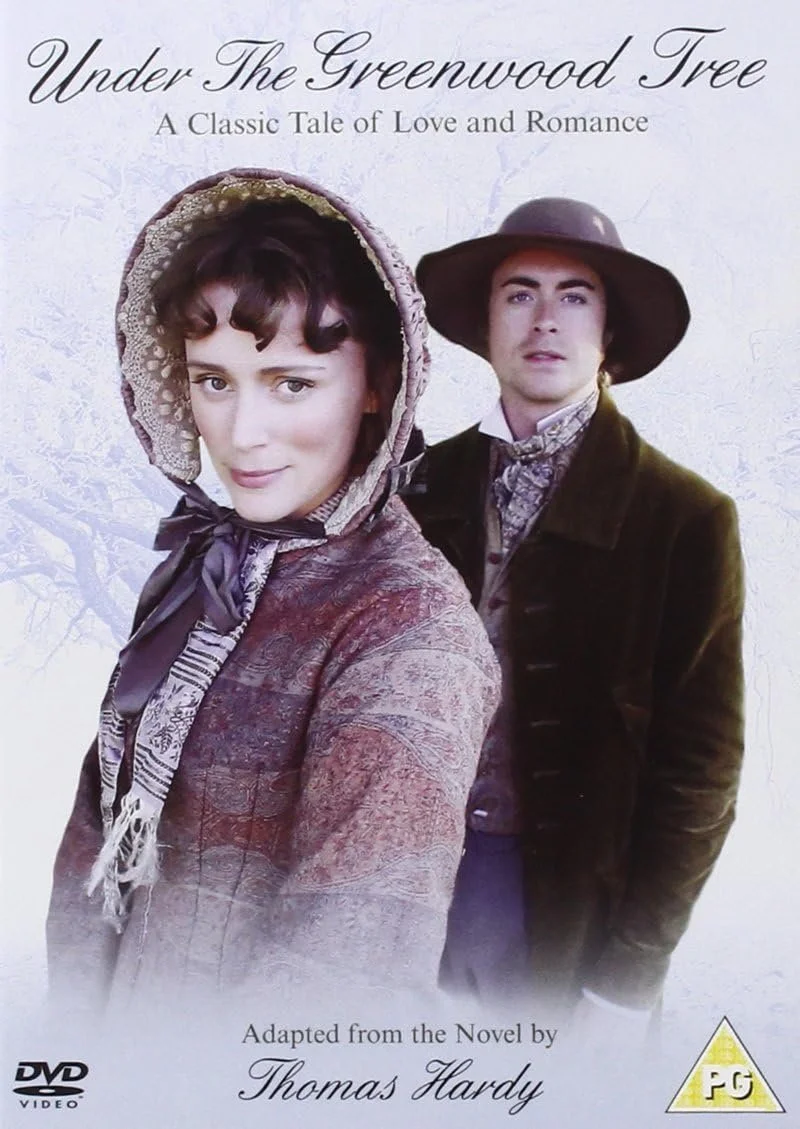
Click to buy DVD (Also currently available on BBC iPlayer)
I knew absolutely nothing about Under the Greenwood Tree, other than it was adapted from a Thomas Hardy novel. I’ve never read the novel and know little about Hardy’s work, except for Far From the Madding Crowd, which I read for my literature degree years ago and enjoyed (particularly Gabriel Oak who has to be the most loyal and patient hero ever).
This story was completely new to me, but I really like Keeley Hawes and, again, iPlayer seemed to think I’d enjoy it so I settled down to watch it one Saturday evening.
It’s the story of Miss Fancy Day (yes, really!) who has been sent away by her father to get a good education in order to better herself, and returns to the village as schoolmistress. Her father was a poor man who married the daughter of a very rich man against said father’s wishes. Fancy’s mother was immediately cut off by her family, and unfortunately she died when Fancy was a baby. Before she died she made her husband promise that he would ensure their daughter married well, and he intends to keep that promise.
Fancy is the subject of much gossip as she’s well-spoken and elegant and lives in her own house, rather than with her father, as well as having such a prestigious career. She stands out among the villagers, who mostly do manual labour and live in crowded cottages. They seem to have few aspirations of changing their lives and even fewer opportunities to do so.
Fancy is quickly noticed by two would-be suitors: A poor young man called Dick Dewy (I know!) who is possibly the only villager who actually has ambitions, and Mr Shiner, a rich farmer with a grand home and plenty of money but no one to share it with. She is also noticed by the vicar, Reverend Maybold, although he is more discreet about his feelings.
Mr Shiner proposes to Fancy and it’s a question then of will she accept or not? Naturally, her father is for the match, since Shiner can give Fancy the kind of life he feels she deserves. Trouble is, Fancy’s heart belongs to Dick Dewy - but he’s poor and, despite his assertions that he’ll make something of himself one day, her father forbids her from associating with him.
When Fancy tries to tell Mr Shiner why she can’t marry him, he misunderstands what she’s saying and tells Reverend Maybold that Fancy is in love with the vicar himself! This leads to yet another proposal. In fact, the only man who doesn’t propose to Fancy is the one she loves! So what happens? You’ll have to watch it and see.
Did I like it? I did, but I didn’t love it. Despite the ‘great love’ between Fancy and Dick I never really felt any chemistry between the two of them. In fact, the whole film felt a bit flat to me. The most interesting part of the story was the local choir’s anger that they were being replaced in church by a new-fangled harpsichord, which was to be played by none other than Fancy herself, and how they dealt with that disgraceful event.
I probably wouldn’t watch it again, but I might well read the book. I suspect it will be better than the film. However, the village setting is lovely, with its ancient cottages and the surrounding fields, and it’s a real slice of old-fashioned rural life that has long passed. If I’d believed in the central love affair I’d have enjoyed this film much more than I did.
The Scapegoat
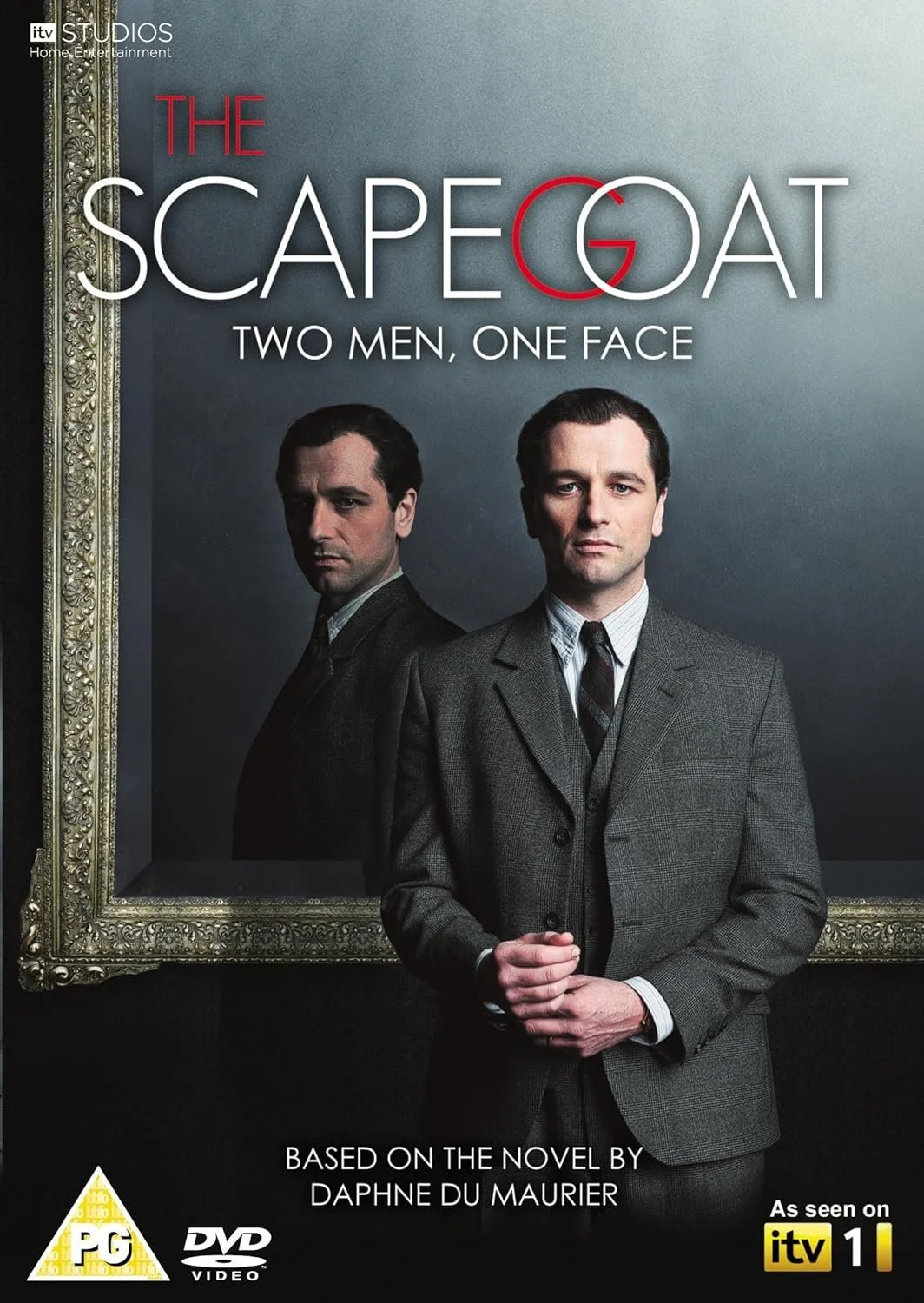
Click to buy DVD (Also currently streaming on Prime)
I thought hard about whether to include The Scapegoat in this blog post. Does it qualify as a period drama? It’s certainly not set in Regency or Victorian England, and it has a bit of a thriller-y feel to it. But then I thought about the time it’s set in - around the coronation of Queen Elizabeth II in 1953 which, unbelievably, is over seventy years ago. Her coronation does play a part in this story, and it’s very much of the time. In the end, I decided it did qualify - and to be honest, it’s so good I couldn’t leave it out.
I’ve watched this film loads of times over the years. I can’t even remember the first time I saw it, but I bought it on Amazon Prime so I can watch it whenever I like. It stars Matthew Rhys as the lead role/s (he plays two parts) and he’s excellent!
John Standing is a quiet, unassuming teacher who’s lost his job through no fault of his own. He has no family and no home as he lived in at the boarding school he taught at. There’s a real sense of loneliness about him. At the end of his final term at the school he sets off on what he intends to be a long hiking holiday abroad, where he can figure out what to do next.
Johnny Spence, meanwhile, is a nasty, selfish piece of work. He’s a failed businessman with a family that entirely depends on him. He lives in a grand house, owns a foundry, and has a mother, brother, sister and sister-in law, not to mention a wife and daughter, who rely on him to do his best to keep the business afloat. Johnny resents them all. When he bumps into John, his living image, in a pub, he plays a trick on him that ends with John arriving at the Spence mansion and everyone there believing he is Johnny.
You do have to suspend disbelief at this part, because no one will listen to or believe John when he insists he’s not Johnny - although there are reasons for that. Gradually, John begins to realise that his doppelgänger is a terrible person, and that the way he’s treated his wife is appalling. He also learns that Johnny hasn’t exactly been the ideal brother to either of his siblings.
John - a decent and caring man - decides to try to put things right for the Spence family and its business. But just as things are beginning to turn around and he’s starting to feel as if he finally belongs somewhere, the real Johnny returns. He’s not going to let John keep this life he’s created for himself against all the odds, and he has a plan that puts another member of the family in serious danger…
This is such a wonderful film. I’ll admit I haven’t yet read the book (although I’ve bought it and intend to read it very soon) but I can guess from the blurb that it’s very different to Daphne Du Maurier’s original novel. However, it really does stand up on its own as a great story, with a brilliant cast including Sheridan Smith, Eileen Atkins and the wonderful Andrew Scott. I highly, highly recommend this one.
Little Dorrit
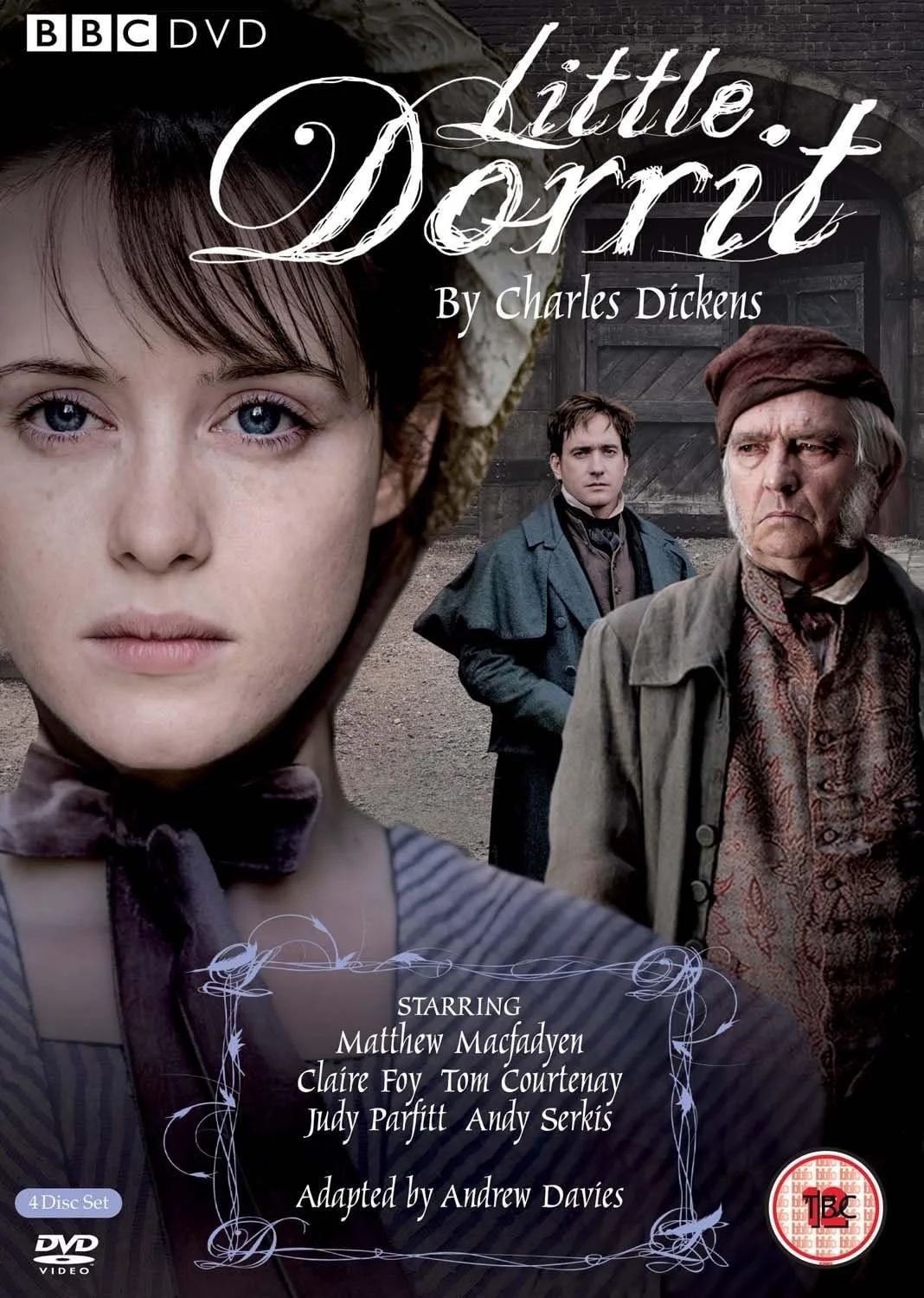
Click to buy DVD (Also currently available on BBC iPlayer)
There had to be a Dickens story in here somewhere, didn’t there? I was torn between this one, Great Expectations, and Bleak House. I love all three and have watched them all many times. (I’ve also watched Dickensian a couple of times but that’s a different story!)
In the end, I decided to go with Little Dorrit because I don’t think it’s as well-known as the others, and before the first episode was over I remembered how dark and creepy this one is. I mean, if I was worried The Scapegoat was too thriller-y to be classed as a period drama then Little Dorrit shouldn’t have crossed my mind! But actually, it is a period drama - albeit with Dickens’ usual skulduggery and shenanigans, his over-the-top characters with their ridiculous yet fabulous names, and a peek at London in a time when the rich lived in complete luxury and the poor barely survived in the squalor and filth of the city.
It concerns the Dorrit family, who live at the Marshalsea, or debtors’ prison. William Dorrit was incarcerated there for various debts and his family were forced to move in with him. When the story opens he’s been there for twenty-five years, raising his family and earning the courtesy title of Father of the Marshalsea.
Little Dorrit - or Amy as she’s actually called - is born in the prison and has never known any other kind of life. Her mother died when she was born, and her brother and sister have left the prison to make lives of their own (although how successful those lives are is debatable), so Amy is the only one left to take care of her father. Now twenty-one, she tends to his every need while leaving the prison three days a week to be a seamstress to the rich Mrs Clennam. Despite Mrs Clennam’s wealth, she lives in utter squalor, tended to by Jeremiah Flintwinch, a violent drunk, and his poor, downtrodden wife, Affery, who he threatens and abuses regularly.
When Mrs Clennam’s son, Arthur, arrives home, after spending years abroad working in the family business, he informs her of his father’s death, and brings with him a pocket watch which he gives to her, telling her that his father insisted on his deathbed that he give it to his mother and put things right. Mrs Clennam is furious at this and shows no grief for her husband, only anger when Arthur wants to know what it is they have to put right.
Mrs Clennam refuses to discuss the matter, so Arthur hires Mr Pancks - local rent collector and amateur private detective - to dig into the case. Arthur believes it has something to do with Little Dorrit and her family, and before long Mr Pancks comes to the same conclusion.
In the meantime, there are various subplots including a violent French murderer on the loose in London, a hidden will, a banker with a secret, and of course, a burgeoning romance.
I won’t give any more of the story away. Frankly it’s so convoluted that it would take me hours to try to explain it all anyway. I will say, though, that this adaptation is excellent. It’s divided into half hour episodes, so the story never gets too overwhelming, and it’s packed with familiar actors. As well as the ones listed on the DVD cover you’ll find Ruth Jones, John Alderton, Alun Armstrong, Sue Johnstone, Maxine Peake, Pam Ferris, Eve Myles, Arthur Darvill, Freema Agyeman, Russell Tovey and more.
There’s always a dark underbelly to a Dickens story, and you can feel the tension building, particularly whenever Rigaud (chillingly played by Andy Serkis) is onscreen. But there’s a happy ending, too, and it’s a gripping tale that’s well-acted and thoroughly enjoyable. I loved it.
Return to Cranford
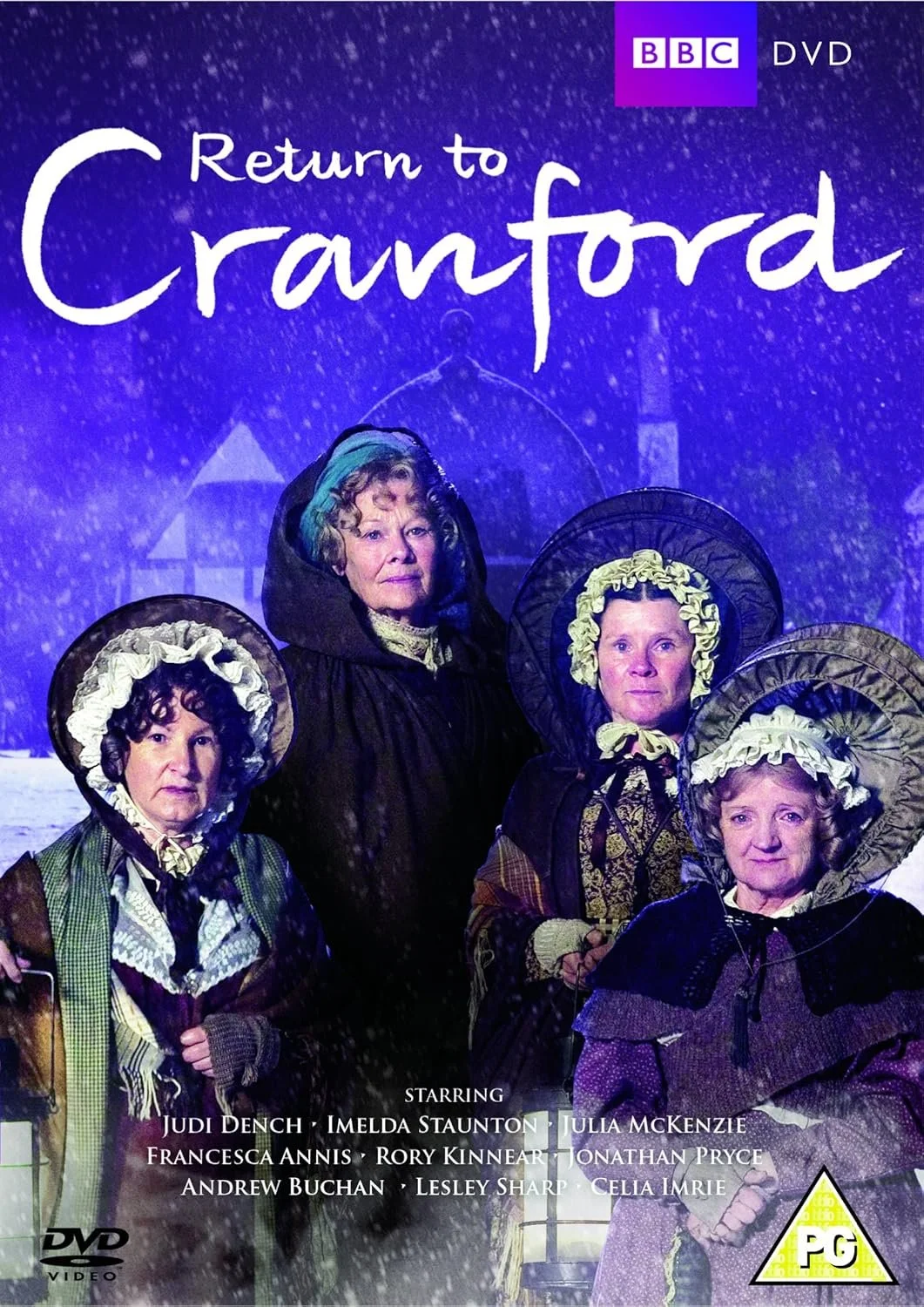
Click to buy DVD (Also currently available to buy on Prime)
I didn’t even know there was a follow-up to Cranford until a week ago! I was so excited when I discovered it that I bought it on Amazon Prime straight away and settled down to watch it the same evening.
It was wonderful to be back in the Cheshire town of Cranford. The story picks up a year or two after the main series ended, and there have been some changes in the little town. For one thing, the railway has arrived nearby - although thanks to Lady Ludlow’s refusal to sell any land to the railway company, it has had to stop five miles from Cranford itself.
This unexpected event causes problems for some residents but glee to the others. Miss Matty and her friends don’t want the railway anywhere near them, but some of the men can see that it’s essential if Cranford is to grow and thrive. There’s a danger that there will be some discord between neighbours!
Some of the characters (though not many) from the previous series are not in this one because they have married and moved on, or returned home, or are simply not seen onscreen. However, we are treated to some new characters. Celia Imrie arrives playing Mrs Jamieson’s sister-in-law, and there are two new families - the Buxtons (played by Jonathan Pryce, Tom Hiddleston and Michelle Dockery) and the Bells (played by Lesley Sharp, Matthew McNulty and the fabulous Jodie Whittaker).
This two-part Christmas special is packed with storylines, but it never loses its charm or falters for one moment in its telling of events or its brilliant characterisation. Not surprising since, like the original series, it was written by Heidi Thomas, the incredibly gifted writer of Call the Midwife.
This time around we have some really tragic deaths, forbidden love, a dreadful accident, and a heartbreaking tale of bullying and abuse. Sounds awful, yet in Heidi’s capable hands and with such a talented cast, this somehow manages to be both heartwarming and uplifting. It’s full of love between men and women, between neighbours, between friends, between adults and children, and between a certain Miss Forrester and her beloved cow, Bessie, who is ‘like a daughter’ to her.
The Cranford ladies have much to gossip about, much to fret about, much to mourn, much to celebrate, and much to plot. I have to say Imelda Staunton absolutely shines as Miss Pole. Her expressions and mannerisms are sublime. When she is gifted a parrot and there is a misunderstanding about the cage she orders for it… So funny!
Honestly, I am going to have to read the books Cranford is based on because I love these characters so much. Watch and enjoy!
To Walk Invisible
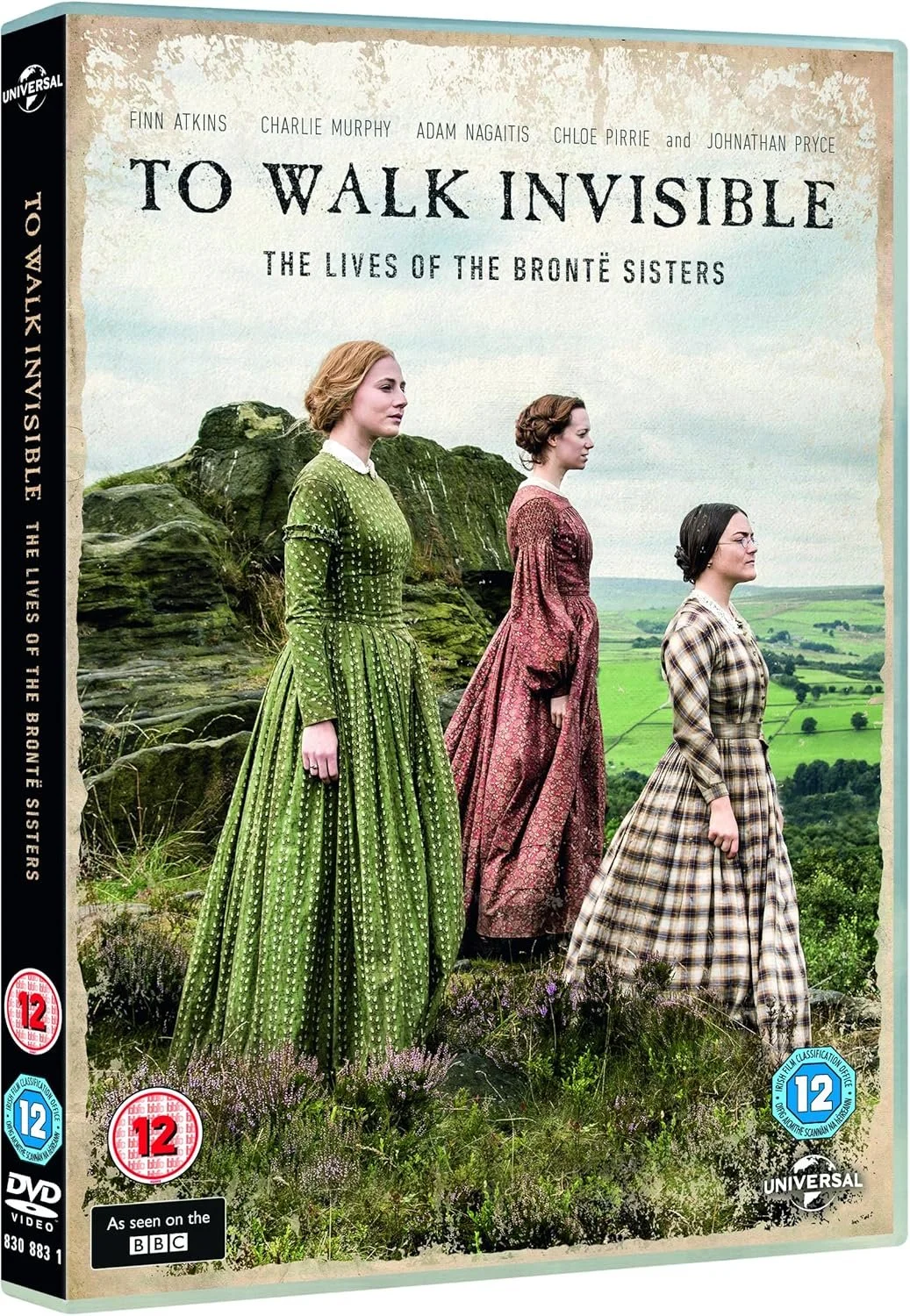
Click to buy DVD (Also currently available to stream or buy on Prime, rent or buy on Apple TV, and FREE on BBC iPlayer)
To Walk Invisible is a dramatised version of the life of the Brontes and I love it. I first saw it years ago, and was lucky enough to visit the Bronte Parsonage in Haworth when they had a lot of the costumes and props from the film on display there.
This drama is written by Sally Wainwright - creator of such gems as Happy Valley and Gentleman Jack. It focuses on the relationships between the three sisters, and also between them and their troubled brother, Branwell.
Branwell is a tragic figure, and this drama shows the realities the sisters faced in dealing with him, day in and day out, as he battled depression, low self-esteem, heartbreak and serious addiction to both drink and drugs.
I read once that there’s a theory that Emily Bronte was inspired to write Heathcliff by what it was like to live with her tempestuous brother - or that she at least used Branwell as a template for that kind of extreme behaviour. Watching To Walk Invisible I could well believe it. Branwell isn’t a bad man - unlike Heathcliff - but his illness and addiction made him behave appallingly, and brought nothing but worry, heartache, shame and trouble to his family.
Jonathan Pryce plays Patrick Bronte, an elderly father with sight problems, who struggles to understand his son’s descent into this dark and terrifying place, and does all he can to rescue him from it, even though his son is, at times, physically and verbally abusive to him.
It’s quite heartbreaking to see how the whole family does its best to console and comfort Branwell, despite what he’s putting them through. Even when they’re at their wits’ end with him, when they’ve publicly stated that they’ve washed their hands of him, when it comes right down to it - when he really needs them - one or the other of them always ends up rushing to save him.
In the end, of course, they can’t save him. Not from himself. Branwell - as we all know - was the first of the four remaining Bronte siblings to die, and within a short space of time Emily and Anne were to follow him.
But it’s not just about Branwell’s illness and downfall. We see the siblings as children, creating their imaginary worlds and writing their stories in the tiniest of books. We see them grown up, back from their various jobs as governesses and tutors, walking the moors, dreaming their dreams, gathered round the table to write their wonderful stories.
We see the rejections, the scathing letter Charlotte received from one of her literary heroes, advising her that writing wasn’t a job for a woman. But we also see the determination, the hope, the adoption of pseudonyms, the posting of manuscripts that carry their prayers and dreams with them, and finally the plaudits and high regard that they so deserved. When Charlotte and Anne visit Charlotte’s publisher in London (Emily refuses to go with them) it’s heartwarming to see how overcome with delight the publisher is to finally meet his star author.
But, of course, there was no happy ending for the Brontes. Patrick Bronte watched first his wife, then all six of his children die one by one. I wonder what that did to him? How did he cope? In those days, the average life expectancy in Haworth was around 25 years of age. Even so, surrounded by death as he was, did he ever feel that losing every single member of his family was too much to bear? That he was being punished by the God he’d served all his life? Did his faith ever waiver? I know his heart must have broken time after time.
This is a wonderful piece of storytelling. Haworth in the mid-nineteenth century is beautifully depicted, and the Parsonage is recreated so well that you can clearly see the similarities of how it is today. The Brontes speak with Yorkshire accents, and it shows them going about their daily business - baking bread, helping to clean the house, sweeping the yard, feeding chickens, helping with the accounts… Often their boots and the hems of their dresses are caked in mud, and I love that whole realistic portrayal of them. It helped make them more real to me. These days we often hear them spoken of in reverential tones, but when all’s said and done they were ordinary young Yorkshire women, who just happened to have an extraordinary talent.
If you haven’t seen To Walk Invisible I’d highly recommend it, especially if you’re a Bronte fan. But even if you’re not, I think you’d get something from this drama. It’s a fascinating glimpse of a family going through the darkest of times and facing them with courage, fortitude, and love.
That’s my round-up of the period dramas I watched in April. Have you seen any of these? What did you think to them? Are there any others you’d recommend? And are there any you’ve seen and would advise me to avoid?
I hope you found something here you’d like to watch if you haven’t already done so.
Have a great week!